
If your goods travel abroad on wooden packaging, there’s an important rule you need to know about: ISPM 15.
It sounds technical, but the idea behind it is simple. ISPM 15 is an international standard regulating wood packaging materials travelling abroad to prevent the spread of pests and diseases. Since 2021, pallets and crates moving from Great Britain to other countries, including the EU, have needed to meet ISPM 15 requirements.
What is pallet heat treatment?
Pallets are placed in specialist kilns and heated until the wood reaches 56°C all the way through to the core. The material is heated to this temperature for at least 30 minutes.
This process reduces the risk of introducing and spreading quarantine pests, making the pallets safe for import and export. However, there are some hardy pests that can survive these temperatures, so some countries have extra rules which are worth checking.
How is ISPM 15 regulated?
ISPM 15 is set by the International Plant Protection Convention (IPPC).
The IPPC writes the rules, but each country enforces them through its own plant health authority. In the UK, that’s done through the UK Wood Packaging Material Marking Programme (UKWPMMP).
Only approved businesses can make ISPM 15 pallets. For us, that means we are inspected regularly to show we’re doing things properly. For example, our kilns are checked to make sure they’re up to the job.
What is the ISPM 15 stamp?
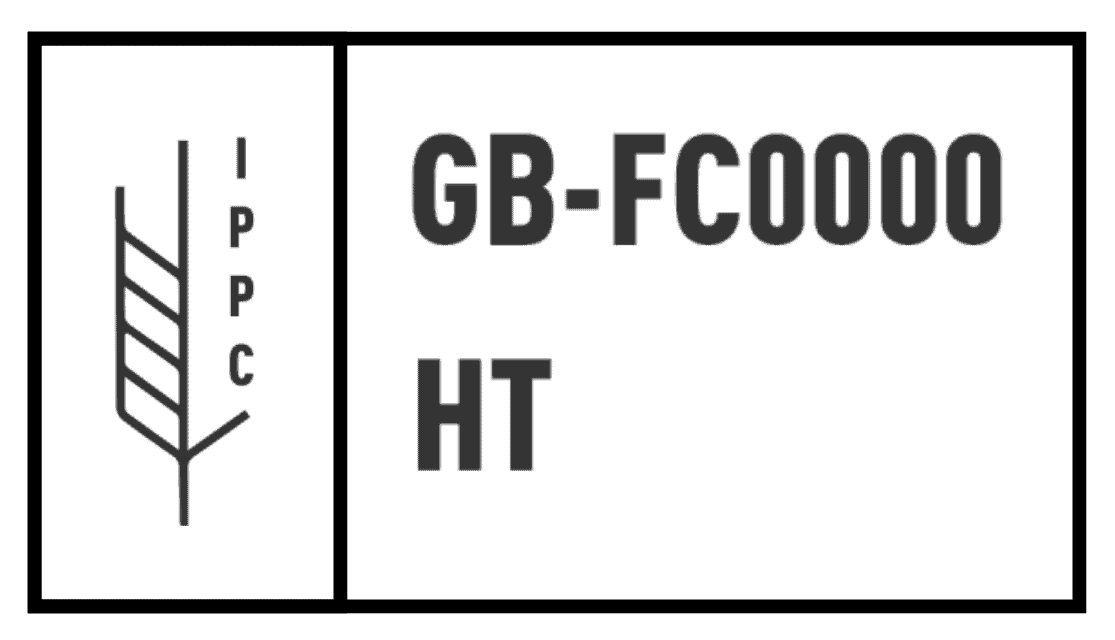
Once a batch passes, each pallet gets the official ISPM 15 stamp. The stamp acts as the pallet’s passport and proves the wood has been treated. It includes:
The wheat-ear symbol – This is the official IPPC logo.
Country code – A two-letter code for where the wood was treated, for example GB for Great Britain.
Producer number – The unique registration number of the company that treated or made the pallet, so it can be traced back.
Treatment code – This is HT for heat treatment, but the ISPM 15 covers other treatment types.
What does this all mean for you?
If you’re shipping goods abroad, check that your pallets and crates carry the stamp. Without it, your shipment could be delayed, sent back, or the packaging destroyed, even if everything else is in order.
A few important things to check:
- Make sure the stamp is readable, as a faded or damaged stamp can cause problems too.
- Watch out for repaired pallets – if a pallet has been fixed up with new wood, it needs treating and stamping again before it can go abroad.
- Check where your goods are heading as some countries have extra rules on top of the ISPM 15 requirements.
- If you’re only shipping within the UK you don’t need ISPM 15 pallets, though different rules apply to movements involving Northern Ireland.
Need heat-treated pallets for export?
The good news is that you don’t need to become an expert in ISPM 15. At Universal Pallets, we can take care of all the treating, stamping and paperwork for you.
We have heat treated pallets already in stock, and we can heat treat pallets of any size, including pallets you may already have. If you’re unsure what you need for your shipment, our team can help you understand the heat treatment requirements and make sure you have the right pallets for the job.
Get in touch with Universal Pallets today to discuss your requirements, and we’ll be happy to help.